Cancer Survivorship Nutrition
Nutrition After Cancer Treatment

Treatment may have finished, but your health needs haven't.
Nutrition after cancer treatment can help address the physical and metabolic changes that may remain after treatment while supporting your recovery, strength and long-term health.

After cancer treatment can feel like a new chapter
What happens when cancer treatment finishes?
Finishing treatment is a significant milestone.
But it can also be the point when regular appointments reduce, support becomes less frequent and you're left wondering:
What should I be doing now?
Your body may also be different from before cancer.
You may be dealing with weight changes, loss of muscle, fatigue, menopausal symptoms, digestive changes, altered metabolic health or concerns about bone and cardiovascular health.
And after months of being told what happens next, suddenly much of the responsibility for your health can feel as though it's back in your hands.
Cancer survivorship nutrition is about helping you understand which areas of your health deserve attention now and developing a practical plan for the months and years ahead.
Survivorship is about more than preventing recurrence
It's completely understandable that reducing the risk of cancer returning may be front of mind.
But good survivorship care also means looking after the rest of you.
Depending on your individual circumstances, nutrition and lifestyle care after cancer may consider:
Weight & body composition
Weight gain can occur during and after treatment, particularly following treatment for breast and some hormone-sensitive cancers.
The goal isn't simply a lower number on the scales.
Maintaining or rebuilding muscle while improving body composition and metabolic health may be equally important.
Cardiometabolic health
Some cancer treatments and treatment-related weight changes can influence longer-term cardiovascular and metabolic health.
Nutrition can support areas including blood glucose regulation, lipids, blood pressure and overall dietary quality.
Muscle & strength
Cancer treatment, reduced activity, menopause and ageing can all contribute to loss of muscle.
Adequate protein, nutrition and appropriately prescribed exercise are important components of maintaining strength and function.
Bone health
Bone health can become particularly important following menopause and with some cancer treatments, including certain endocrine therapies.
Nutrition assessment may consider protein, calcium, vitamin D and other relevant factors alongside appropriate exercise.
Gut health
Chemotherapy, immunotherapy, radiation, medications, surgery, changes in diet and stress can all affect gastrointestinal health.
Nutrition strategies should be based on your symptoms and individual circumstances rather than automatically prescribing restrictive diets, probiotics or gut supplements.
Menopause & hormonal changes
Cancer treatment can cause or accelerate menopause, while endocrine therapies may create additional symptoms and metabolic changes.
Nutrition and lifestyle strategies can form part of a broader approach to managing these longer-term health considerations.

Weight Gain After Cancer
“I finished treatment, so why have I gained weight”
Weight gain following cancer treatment is common, particularly following breast cancer. It isn't just a matter of willpower.
A combination of factors may contribute, including:
treatment-induced menopause
endocrine therapy
reduced physical activity
fatigue
changes in muscle mass
changes in appetite and eating patterns
changes to the gut microbiome
sleep disruption
stress
ageing
metabolic changes
This is an area of particular interest in my clinical practice and research.
My Master of Research thesis at Western Sydney University, currently under examination, explored GP perspectives on preventing and managing weight gain following breast cancer, including the barriers and opportunities for improving survivorship care in Australian primary care.
Weight management after cancer therefore needs to consider far more than simply eating fewer calories.
What Should I Eat After Cancer
Moving beyond the search for the perfect anti-cancer diet

After treatment, it's common to start looking for foods, supplements or diets that might help prevent cancer from returning.
Unfortunately, this can quickly lead to restrictive diets and conflicting information.
There is no single food or diet that guarantees cancer will not recur.
Instead, survivorship nutrition focuses on the overall pattern of your diet and lifestyle.
Depending on your circumstances, this may include:
eating a predominantly plant-rich Mediterranean-style dietary pattern
including adequate protein
increasing dietary fibre where appropriate
including a diverse range of plant foods
choosing healthy sources of dietary fat
limiting alcohol
reducing highly processed foods where appropriate
maintaining a healthy body composition
supporting regular physical activity
addressing relevant nutritional deficiencies
Most importantly, your diet needs to be sustainable. The goal isn't to eat perfectly.
It's to establish an evidence-informed way of eating that supports your health for the long term
Pathology & Long-Term Health
Know what you’re working with
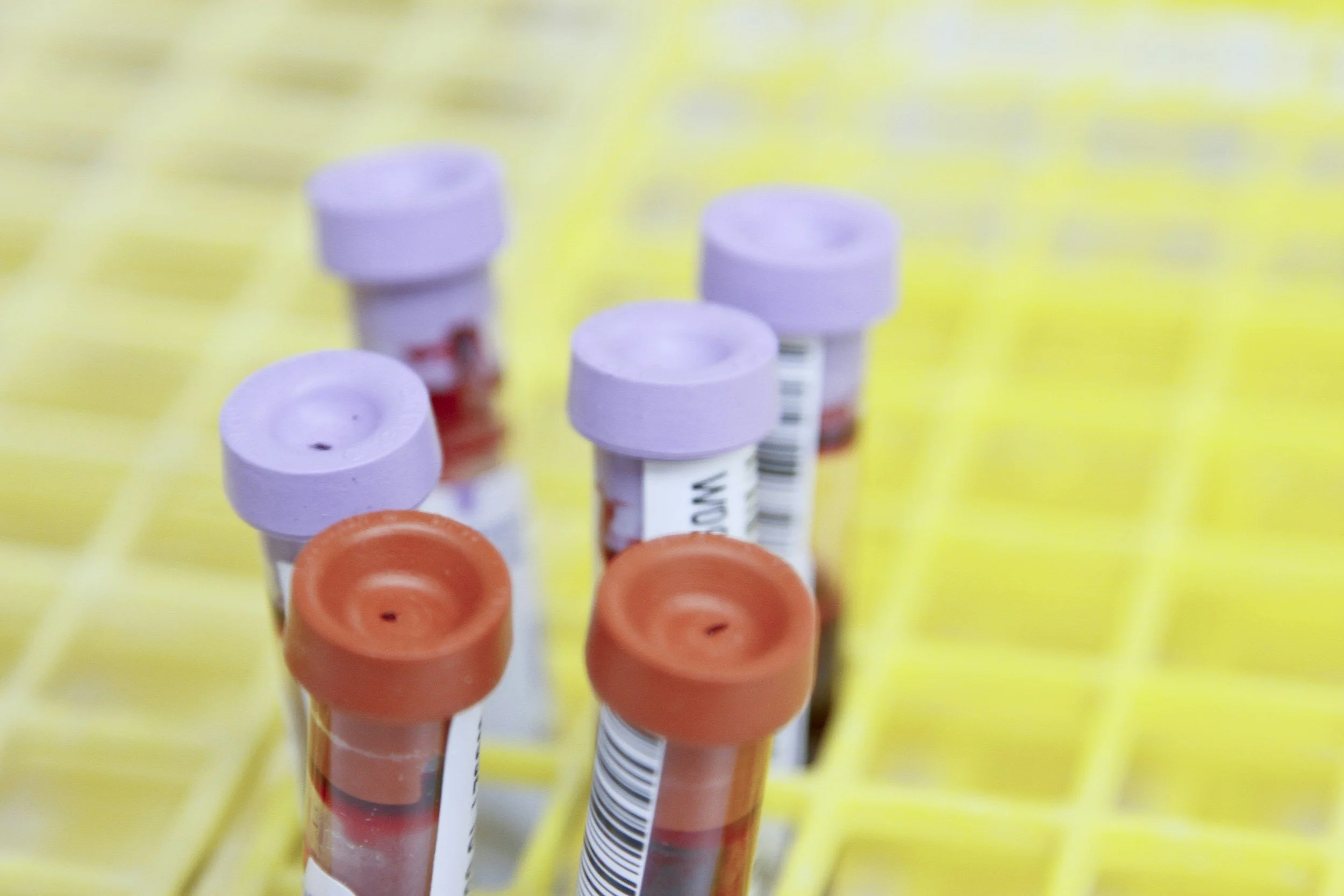
Your post-treatment nutrition plan shouldn't be based on assumptions. Reviewing relevant pathology can help identify areas that may deserve greater attention.
Depending on your medical history and treatment, this may include consideration of:
blood glucose and HbA1c
insulin where clinically appropriate
cholesterol and triglycerides
vitamin D
iron status
vitamin B12 and folate
relevant liver and kidney markers
other nutritional or metabolic markers where indicated
Where further testing or medical assessment is appropriate, I work collaboratively with your GP or other treating practitioners.
Supplements After Cancer
Do I need supplements after cancer treatment
Possibly, but more isn't necessarily better.
Supplement recommendations should consider your diet, pathology, medications, previous treatment, current health concerns and the evidence supporting their use.
Some people may have a clear nutritional deficiency or increased requirement.
Others may discover they're taking multiple products that duplicate nutrients or have little relevance to their current needs.
My approach is to use supplements strategically when there is a clear clinical rationale, while keeping food and lifestyle as the foundation.
Exercise Belongs In Survivorship Care Too
Nutrition and movement work together
Exercise is one of the most important components of health after cancer treatment.
Where appropriate, I encourage a combination of:
Resistance training
to support muscle, strength, bone health and metabolic health.
Aerobic activity
to support cardiovascular fitness and overall health.
The right exercise program depends on your treatment history, current fitness, symptoms and any physical limitations.
Where appropriate, I may recommend working with an accredited exercise physiologist or physiotherapist with oncology experience.

About Lisa
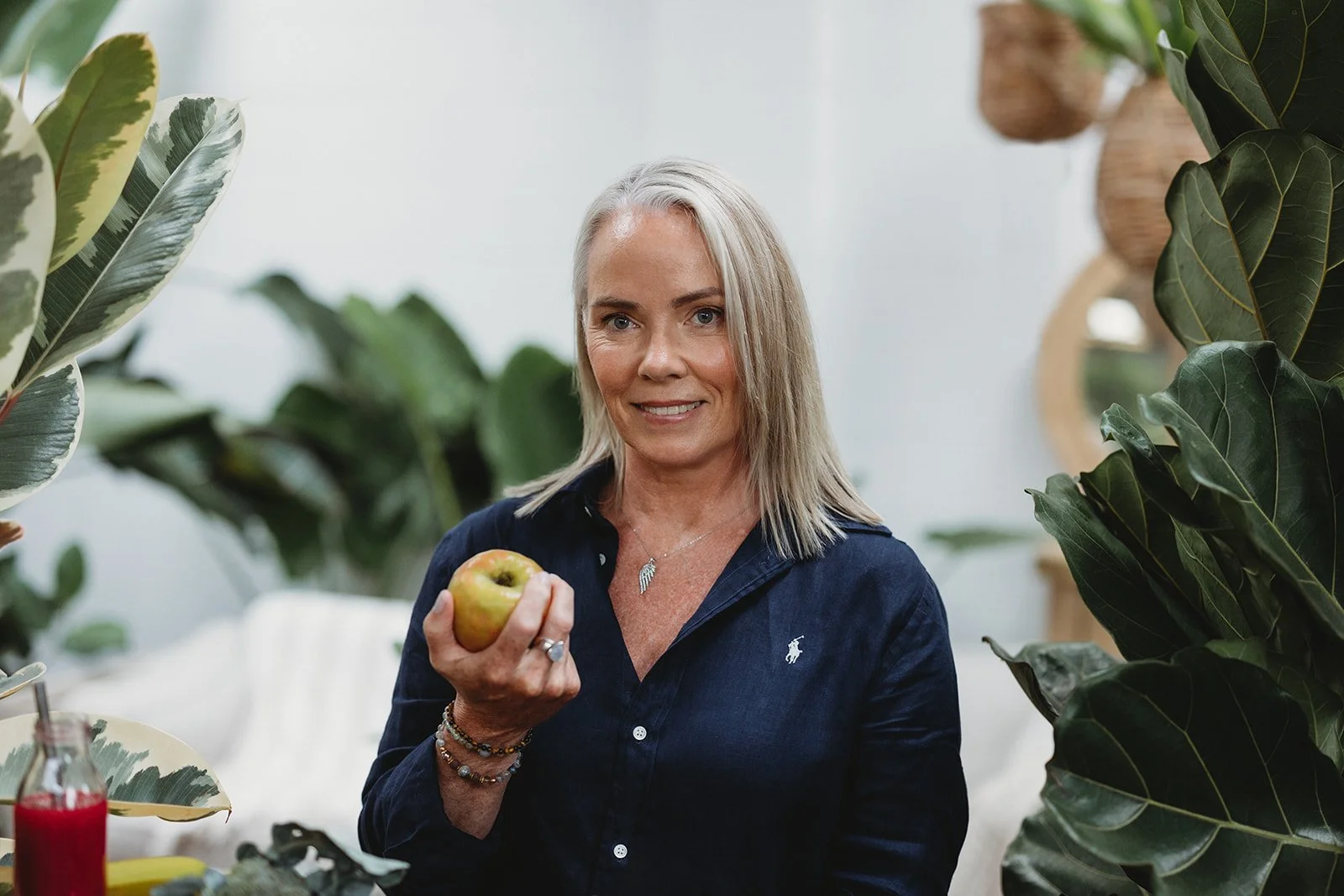
I'm Lisa Hanlon, a degree-qualified Clinical Nutritionist with advanced training in integrative oncology.
Cancer survivorship is a major focus of both my clinical practice and research.
My Master of Research examined models of care for preventing and managing weight gain following breast cancer, including how primary care and allied health can better support people after treatment.
My approach brings together nutrition, pathology, body composition, lifestyle, supplements and longer-term health risks to develop recommendations that are practical and individual to you.
Personalised Support After Cancer Treatment
Finishing treatment doesn't mean you have to work out what comes next on your own.
For people looking for comprehensive support, I work with a limited number of private clients to develop a personalised nutrition and lifestyle plan for recovery, survivorship and long-term health.
Depending on your individual needs, we may focus on:
nutrition after treatment
weight and body composition
metabolic and cardiovascular health
rebuilding muscle and strength
bone health
menopausal and treatment-related changes
gut health
pathology and nutritional status
supplements where clinically appropriate
sustainable nutrition and lifestyle habits
coordinating care with your healthcare team where appropriate.
Rather than receiving a single nutrition plan, we'll work together over time so your recommendations can evolve as your health, priorities and confidence change.
Most clients benefit from 3–6 months of support.
Ready for more personalised support?
Complete a short application to tell me where you are in your cancer journey, what you'd like help with and what you would like to achieve.
Personalised programs start from $1,500, with payment plans available.
Prefer a single consultation?

Frequently Asked Questions (FAQs)
-
Definitions vary, and some organisations consider survivorship to begin from the time of diagnosis.
In my practice, this page focuses specifically on the period after active treatment, when the priorities often shift from getting through treatment towards recovery and longer-term health.
-
You don't need to wait for a particular amount of time.
Support can begin as you transition out of active treatment or months or years later.
Your recommendations will simply reflect where you are now.
-
Yes. Weight and metabolic health following breast cancer are particular areas of interest in my clinical practice and research.
My approach is individualised and considers factors such as treatment history, menopause status, endocrine therapy, diet, activity, muscle mass, sleep and metabolic health.
-
Not necessarily. Many people continue endocrine therapy for years after chemotherapy, radiation or surgery have finished. Your nutrition priorities will depend on your individual circumstances, treatment, symptoms and longer-term health needs, and we can determine the most appropriate level of support for you.
-
No nutrition strategy can guarantee that cancer won't recur.
However, evidence-informed nutrition, physical activity, maintaining a healthy body composition, limiting alcohol and addressing broader cardiometabolic health are important components of health after cancer.
Recommendations should be considered alongside your ongoing medical surveillance and treatment.
-
You don't need to have a poor diet to benefit from survivorship nutrition.
We may identify that your existing diet requires very little change and instead focus on areas such as protein, body composition, pathology, metabolic health, bone health, brain health, supplements or practical strategies for maintaining your health long term.
-
No, I work with adults following a range of cancer diagnoses, although breast cancer survivorship and treatment-related weight gain are particular areas of my research and clinical interest.
-
Consultations are available in person at Next Practice in Parramatta and via telehealth Australia-wide.
Your Care Shouldn’t End When Treatment Does
Finishing treatment is the beginning of a different stage of your health.
Personalised survivorship nutrition can help you understand your priorities, make sustainable changes and develop a plan that supports your health for the years ahead.
Looking for comprehensive, ongoing support?
Prefer to start with an individual consultation?