Eating Well After Cancer
Feel more confident about what to eat during cancer treatment and beyond.
A practical, evidence-informed online course to help you make sense of cancer nutrition, cut through conflicting advice and feel more confident about your everyday food choices.
Has a Cancer Diagnosis Left You Questioning Everything You Eat?
You want to do the right thing for your health.
But everywhere you look, there's another article, social media post or well-meaning person telling you something different.
Avoid sugar. Cut out dairy. Eat organic. Try fasting. Take this supplement.
And suddenly, something as simple as deciding what to have for dinner feels overwhelming.
You might be wondering:
Am I eating the right foods?
Should I be avoiding certain ingredients?
Does sugar really feed cancer?
What should I eat during treatment?
How can I support my health after treatment?
How do I know which nutrition advice to trust?
If any of this sounds familiar, you're not alone.
Eating well shouldn't become another thing to worry about.
Imagine Feeling More Confident About Your Food Choices
Imagine being able to:
Understand what the evidence actually says about cancer and nutrition.
Feel less overwhelmed by conflicting dietary advice.
Put together balanced meals without complicated food rules.
Recognise common cancer nutrition myths.
Understand why your nutritional priorities may change during treatment.
Identify practical habits that support your health and wellbeing.
Know when to seek personalised nutrition advice.
That's what Eating Well After Cancer is designed to help you do.
Not by giving you another restrictive diet.
But by helping you understand the foundations of evidence-informed nutrition and how to apply them to everyday life.
Introducing Eating Well After Cancer
Your practical guide to nutrition during treatment and beyond.
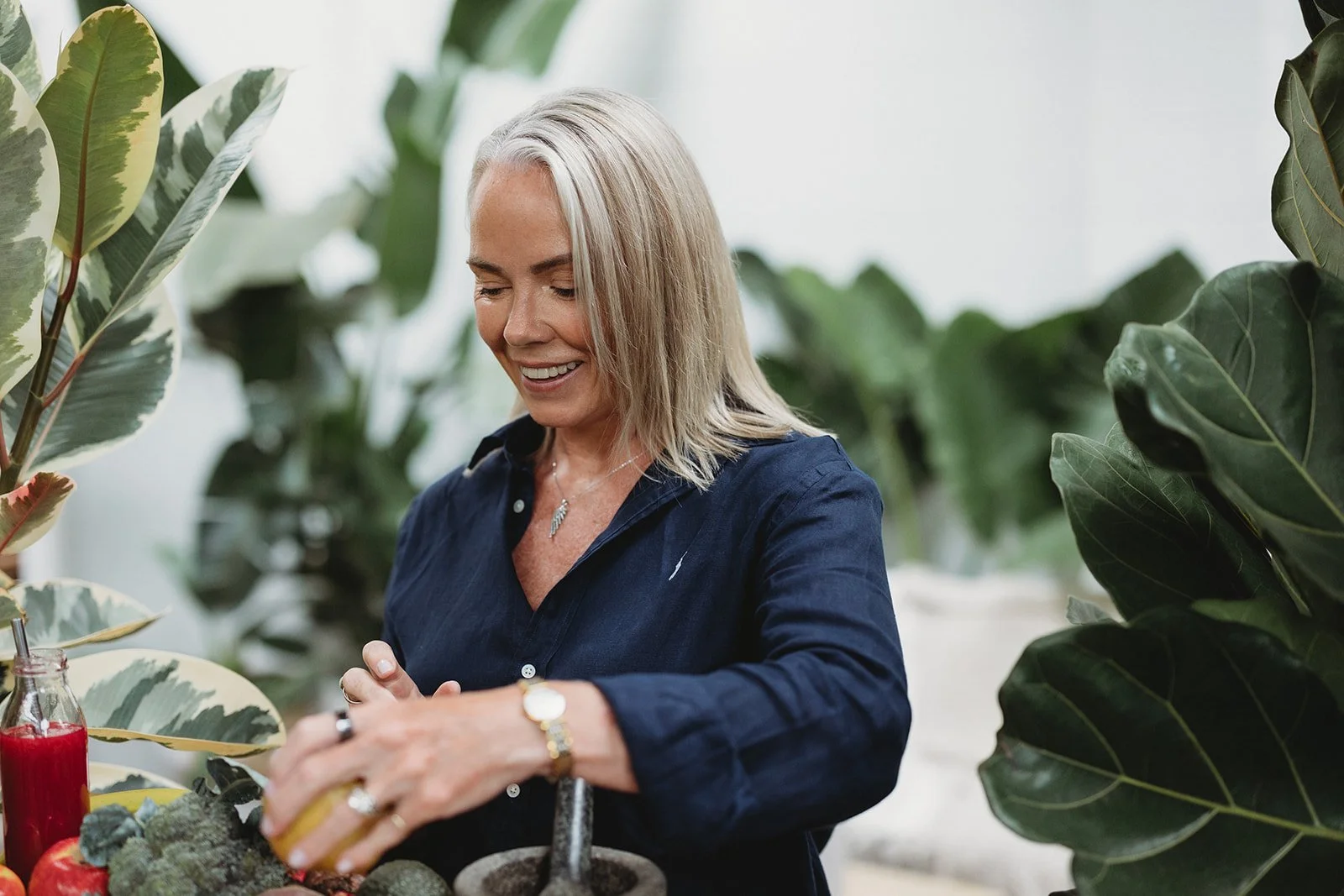
Eating Well After Cancer is a self-paced online course created by clinical nutritionist Lisa Hanlon.
It brings together evidence-informed education, practical nutrition guides and simple worksheets to help you navigate common food questions with greater confidence.
You'll learn at your own pace, revisit the resources whenever you need them and focus on the information most relevant to your circumstances.
Whether you're currently undergoing treatment, receiving ongoing treatment or navigating life after active treatment, this course provides a supportive place to start.
What’s Included?
-

Module 1
Understanding Cancer & Nutrition
Explore what the evidence tells us about nutrition during and after cancer treatment, including common misconceptions and why individual needs matter.
Includes an educational webinar and companion workbook.
-
Module 2
What Should I Actually Eat?
Understand the foundations of balanced eating, protein, fibre, plant foods and practical everyday meals.
Includes written nutrition guides, a Balanced Plate Builder, a protein guide and an Everyday Eating Check-In.
-

Module 3
Cancer Nutrition Myths: Fact or Fiction?
Explore common questions about sugar, soy, dairy, organic foods, fasting, restrictive diets and supplements.
Includes a practical myth-busting guide.
-

Module 4
Eating Well During Cancer Treatment
Learn about common eating challenges during treatment, including appetite changes, nausea, taste changes, hydration and food safety.
Includes a practical treatment nutrition guide.
-
Module 5
Integrative Lifestyle Foundations
Explore evidence-informed lifestyle foundations, including movement, sleep, emotional wellbeing and reducing established health risks.
Includes a lifestyle guide and printable checklist.
-
Module 6
Your Personal Action Plan & Next Steps
Bring everything together and identify realistic changes that suit your needs, priorities and circumstances.
Includes a personal action plan and final Nutrition Confidence Check-In.
Learn in a Way That Works for You
Your course includes:
An educational cancer nutrition webinar
Short video introductions to guide you through each module
Downloadable written guides and practical resources
Reflection worksheets and action-planning tools
Self-paced learning with lifetime access to the course while it remains available
There are no live sessions or appointments to schedule.
Work through the course in your own time, at your own pace.
You've been diagnosed with cancer and feel confused about what you should be eating.You're undergoing treatment and want to understand your nutritional priorities.You're receiving ongoing or maintenance treatment and want reliable general nutrition information.You've finished active treatment and want to build confidence in your everyday food choices.You're tired of conflicting advice about foods you should or shouldn't eat.You want practical, evidence-informed guidance without another restrictive diet
When You Might Need More Personalised Support
This course isn't a personalised nutrition treatment plan.
It isn't designed to diagnose or treat nutritional deficiencies, manage complex medical conditions or replace specialist nutrition care.
If you're experiencing significant weight loss, malnutrition, persistent eating difficulties or other complex treatment-related concerns, individual assessment is important.
Looking for More Personalised Nutrition Support?
While Eating Well After Cancer provides a foundation in evidence-informed cancer nutrition, I also understand that everyone's cancer experience is different.
Your diagnosis, treatment, symptoms, pathology, medical history and personal circumstances can all influence your nutritional needs.
Sometimes, general advice simply isn't enough.
That's where personalised nutrition support can make a difference.
Through my 1:1 consultations and ongoing support programs, we can take a closer look at your individual circumstances and develop practical nutrition strategies tailored to you. More information about these programs can be found here.
Not Sure Which Option Is Right for You?
If you're looking for reliable information and practical resources you can work through independently, Eating Well After Cancer is a great place to start.
If you need recommendations tailored to your treatment, symptoms, pathology or medical circumstances, personalised support may be more appropriate.
You don't have to figure everything out on your own.
This Course Is for You If…

Meet Your Guide - Lisa Hanlon
I'm Lisa Hanlon, a clinical nutritionist with a Bachelor of Health Science in Nutritional and Dietetic Medicine, postgraduate studies in integrative oncology and research experience focused on breast cancer survivorship care.
Through personal experience and my clinical work, I've seen how overwhelming nutrition can become after a cancer diagnosis.
People are often given so much information about what they should and shouldn't eat, but very little practical guidance about how to make sense of it all.
I believe people affected by cancer deserve clear, affordable and evidence-informed nutrition education.
That's why I created Eating Well After Cancer.
I want to help you move away from food myths and feel more confident about the choices you're making, because life during and after cancer is complicated enough.
Food shouldn't have to be.
My interest in this area is deeply personal. After losing my sister to melanoma in 2020, I saw firsthand some of the gaps individuals and families can experience across the cancer journey, especially around nutrition advice.
Start Feeling More Confident About What You Eat
Frequently Asked Questions
No. The course is designed for people undergoing active treatment, receiving ongoing or maintenance treatment, and those who have completed active treatment.
Some information may be more relevant to you than other sections depending on your circumstances.
Is this course only for people who have finished cancer treatment?
1
The course provides general cancer nutrition education relevant across different cancer diagnoses.
It doesn't provide cancer-type-specific dietary prescriptions or individual treatment recommendations.
Is this course suitable for all cancer types?
2
No. This is a self-paced educational course, not an individual consultation or personalised meal-planning service. If you need recommendations tailored to your treatment, symptoms or medical history, individual nutrition support may be more appropriate.
Will I receive a personalised meal plan?
3
5
6
How long will the course take?
Do I need to follow a particular diet?
4
No. The course doesn't prescribe any specific diet. Instead, it explains evidence-informed nutrition principles and encourages flexibility according to individual needs.
7
How do I access the course?
You can complete it at your own pace.
The course includes an educational webinar, short module introductions and written resources you can work through whenever it suits you.
After purchasing, you'll be able to access the course through the online learning area.
You can return to the modules and resources as needed.
Can I work with Lisa individually?
Yes. If you need personalised guidance, you can book an individual nutrition consultation or explore ongoing nutrition support programs.
You can find details in the personalised nutrition support section above.
Less Confusion. More Confidence. A Practical Place to Start.
You don't need to know everything about cancer nutrition.
You don't need to eat perfectly.
And you don't need to navigate every conflicting nutrition claim on your own.
Eating Well After Cancer is here to help you understand the evidence, make more informed food choices and find an approach that feels realistic for you.